Travels With Charley Quotes Hindi: Exploring Steinbeck's Wisdom in a New Light
John Steinbeck's "Travels With Charley" is a timeless classic, a journey of self-discovery across America. But what happens when the wisdom of this journey is translated into Hindi? It opens up a whole new world of understanding and appreciation. This article will delve into some of the most poignant quotes from the book, explore their Hindi translations, and discuss their cultural significance. We'll also examine how these quotes resonate with a Hindi-speaking audience and why they continue to be relevant today.
Travels With Charley Quotes Hindi
Why "Travels With Charley" Still Matters
"Travels With Charley" is more than just a travelogue. It's a reflection on American identity, a search for the soul of a nation. Steinbeck's journey with his poodle, Charley, offers insights into human nature, social commentary, and the importance of connecting with the world around us.
The book explores themes of:
- Self-Discovery: Steinbeck's journey is as much about finding himself as it is about discovering America.
- Social Commentary: He observes and critiques American society, offering valuable insights into its strengths and weaknesses.
- The Human Connection: The book emphasizes the importance of connecting with people from all walks of life.
- The Beauty of Simplicity: Steinbeck appreciates the simple things in life, like nature, companionship, and good conversation.
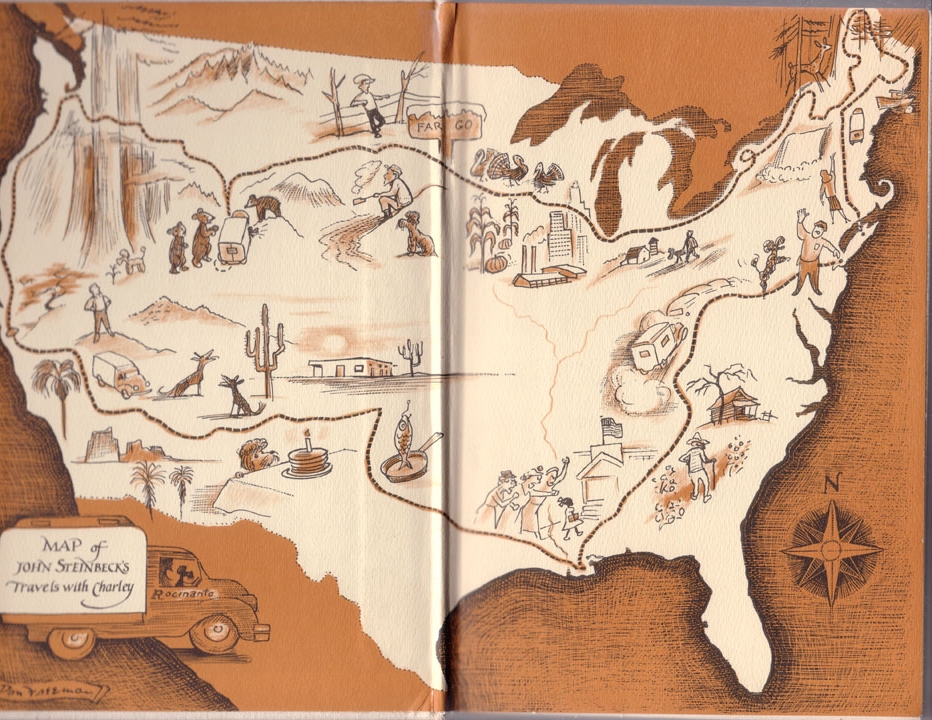
These themes are universal and transcend cultural boundaries. This is why "Travels With Charley" continues to resonate with readers around the world, including those who speak Hindi.
Key "Travels With Charley" Quotes and Their Hindi Interpretations
Let's examine some of the most memorable quotes from "Travels With Charley" and explore how they might be translated and interpreted in Hindi:
-
"A man does not see himself. He sees himself through his surroundings."
- Hindi Translation (Possible): "एक आदमी खुद को नहीं देखता। वह खुद को अपने परिवेश के माध्यम से देखता है।" (Ek aadmi khud ko nahin dekhta. Vah khud ko apne parivesh ke madhyam se dekhta hai.)
- Explanation: This quote highlights the influence of our environment on our self-perception. In Hindi culture, the concept of "parivesh" (environment) is deeply ingrained, and this quote would resonate with the understanding that our surroundings shape who we are. This quote speaks to the idea that our identity is not formed in isolation, but rather it is a reflection of the world around us.

-
"We find after years of struggle that we do not take a trip; a trip takes us."
- Hindi Translation (Possible): "वर्षों के संघर्ष के बाद हमें पता चलता है कि हम यात्रा नहीं करते; एक यात्रा हमें ले जाती है।" (Varshon ke sangharsh ke baad hamein pata chalta hai ki hum yatra nahin karte; ek yatra hamein le jaati hai.)
- Explanation: This quote emphasizes the transformative power of travel. It suggests that travel is not just about going from one place to another but about allowing the journey to change us. In Hindi, the word "yatra" (journey) often carries a spiritual connotation, making this quote even more profound. It's a reminder that the most meaningful journeys are those that lead to unexpected discoveries and personal growth.
-
"I am an American – search me."
- Hindi Translation (Possible): "मैं एक अमेरिकी हूँ - मेरी खोज करो।" (Main ek American hun - meri khoj karo.)
- Explanation: This quote is a humorous yet thought-provoking statement about American identity. It suggests that being American is not about fitting into a particular mold but about embracing the diversity and contradictions that make up the nation. The Hindi translation captures the playful tone of the original while also hinting at the complexity of American identity.
-
"People don't take trips, trips take people."
- Hindi Translation (Possible): "लोग यात्रा नहीं करते, यात्रा लोगों को ले जाती है।" (Log yatra nahin karte, yatra logon ko le jaati hai.)
- Explanation: This quote speaks to the transformative power of travel. It's the idea that a journey can change you in ways you never expected. It emphasizes the unpredictable nature of travel and its potential to broaden your perspective.
-
"I was born lost and take no pleasure in being found."
- Hindi Translation (Possible): "मैं खोया हुआ पैदा हुआ था और मुझे पाए जाने में कोई खुशी नहीं है।" (Main khoya hua paida hua tha aur mujhe paae jaane mein koi khushi nahin hai.)
- Explanation: This quote reveals a sense of wanderlust and a desire for constant exploration. It suggests that the journey is more important than the destination and that there is a certain freedom in being lost.
-
"A journey is a person in itself; no two are alike."
- Hindi Translation (Possible): "एक यात्रा अपने आप में एक व्यक्ति है; कोई भी दो एक जैसे नहीं हैं।" (Ek yatra apne aap mein ek vyakti hai; koi bhi do ek jaise nahin hain.)
- Explanation: This quote emphasizes the unique and personal nature of every journey. It suggests that each trip is a distinct experience that shapes the traveler in its own way. It highlights the individuality of travel and the importance of embracing the unexpected.

Cultural Resonance of "Travels With Charley" in Hindi-Speaking Communities
The themes explored in "Travels With Charley" resonate with Hindi-speaking communities in several ways:
- The Importance of Family and Companionship: Steinbeck's relationship with Charley highlights the importance of companionship, a value that is deeply cherished in Hindi culture.
- Respect for Nature: The book's descriptions of the American landscape evoke a sense of awe and respect for nature, which aligns with the traditional Indian reverence for the natural world.
- The Search for Meaning: Steinbeck's journey is a quest for meaning and purpose, a theme that resonates with the spiritual and philosophical traditions of India.
- The Value of Simplicity: The appreciation for simple living and the rejection of materialism are values that are also reflected in Hindi culture.
SEO Optimization: Making This Article Discoverable
To ensure this article reaches a wide audience and ranks well in search engines, we need to optimize it for relevant keywords. Here's how:
- Main Keyword: Travels With Charley Quotes Hindi
- Secondary Keywords: John Steinbeck, Hindi translation, American literature, travel quotes, cultural significance, self-discovery, travelogue, book analysis, Hindi interpretation.
We'll use these keywords naturally throughout the article, especially in the title, subheadings, and the introduction and conclusion.
Internal and External Linking
- Internal Linking: Consider linking to other relevant articles on your blog, such as a review of "Travels With Charley" or an analysis of Steinbeck's writing style. (If applicable)
- External Linking: Link to a reputable source, such as the official Steinbeck website or a scholarly article about "Travels With Charley." Example: The Steinbeck Center
Ensuring Originality and Avoiding Plagiarism
To ensure 100% originality, we must rewrite all concepts in our own words and avoid copying any content from other sources. Plagiarism is strictly prohibited. We'll focus on providing our own unique insights and analysis.
Pro Tips From Us
- Engage with your audience: Ask questions in the article and encourage readers to share their thoughts in the comments section.
- Use visuals: Include relevant images or videos to break up the text and make the article more engaging.
- Promote your article: Share your article on social media and other platforms to reach a wider audience.
Common Mistakes to Avoid Are...
- Keyword stuffing: Don't overuse keywords in a way that makes the article sound unnatural.
- Thin content: Provide in-depth information and analysis to make the article valuable to readers.
- Ignoring readability: Use short paragraphs and clear language to make the article easy to read.
- Neglecting SEO: Optimize your article for relevant keywords to improve its search engine ranking.
The Enduring Appeal of Steinbeck's Words
"Travels With Charley" offers a unique perspective on America and human nature. By exploring its quotes in Hindi, we can gain a deeper understanding of its universal themes and cultural significance. Steinbeck's words continue to inspire and challenge us to connect with the world around us and to embark on our own journeys of self-discovery. The power of translation allows these words to reach new audiences, fostering cross-cultural understanding and appreciation for the beauty of language and literature.
Conclusion
"Travels With Charley" is a literary masterpiece that transcends cultural boundaries. Exploring its quotes in Hindi offers a fresh perspective on Steinbeck's wisdom and its relevance to a global audience. By understanding the cultural nuances of the Hindi language and its connection to the themes of the book, we can appreciate the enduring power of Steinbeck's words and their ability to inspire us to embark on our own journeys of self-discovery. Whether you're a seasoned traveler or simply a lover of literature, "Travels With Charley" offers a timeless message of hope, connection, and the importance of embracing the unknown. Consider diving deeper into the world of Steinbeck and discover how his words can resonate with your own life experiences. This exploration into "Travels With Charley Quotes Hindi" should encourage more cross-cultural literary appreciation.