Travels With Charley Quotes & Chords: A Musical Journey Through Steinbeck's America
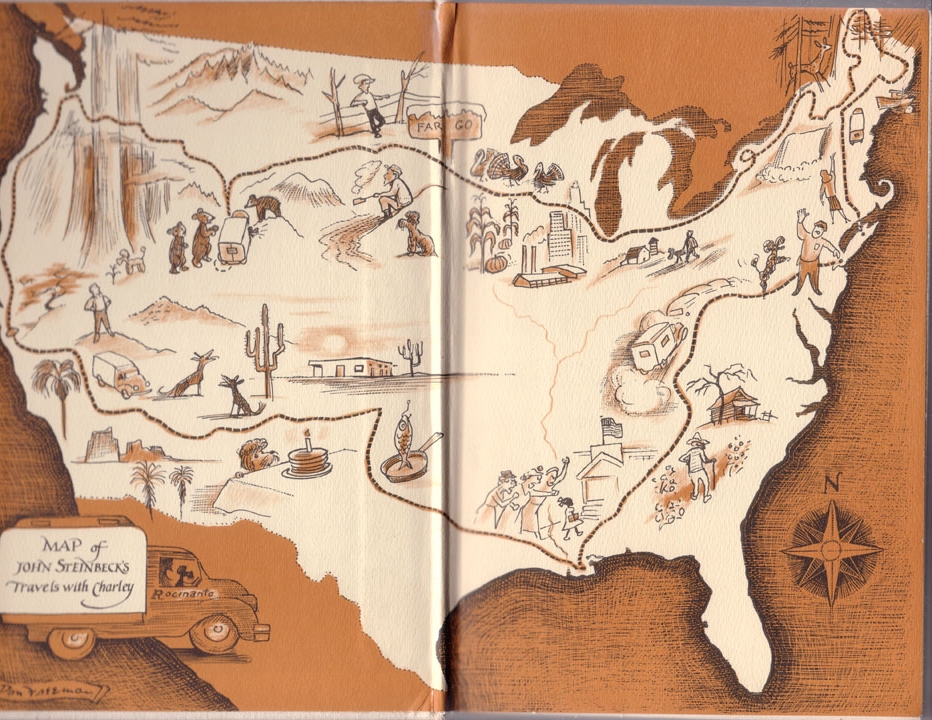
John Steinbeck's "Travels With Charley" is more than just a travelogue; it's a profound exploration of the American spirit, a snapshot of a nation undergoing change. What if we could translate the essence of Steinbeck's words into music? This article delves into some of the most memorable "Travels With Charley" quotes and explores potential chord progressions that capture their emotional depth and thematic resonance. We'll look at how music can amplify Steinbeck's observations, offering a unique and engaging way to experience this classic work.
Travels With Charley Quotes Chords
Why Combine Steinbeck with Music?
Steinbeck was a master of capturing the rhythm and cadence of American life. His prose often feels inherently musical. By pairing his words with chord progressions, we can unlock another layer of meaning, creating a richer and more immersive experience for the reader and listener. This approach not only honors Steinbeck's literary genius but also provides a creative outlet for musicians and literary enthusiasts alike.
Key Themes in Travels With Charley and Musical Interpretations
"Travels With Charley" explores several recurring themes that lend themselves beautifully to musical interpretation:
-
Loneliness and Isolation: Steinbeck's journey is, at its heart, a solitary one. The vastness of the American landscape can evoke feelings of isolation.
-
The Changing American Landscape: Steinbeck witnesses a nation grappling with progress and loss. The transformation of the landscape, both physical and cultural, is a central theme.
-
The Search for Identity: Steinbeck embarks on his journey seeking to rediscover his connection to America. This quest for identity is a powerful and universal theme.

-
Nostalgia and Reflection: The book is filled with moments of nostalgia as Steinbeck reflects on the past and contemplates the future of America.

Quote 1: "I am an American, and maybe that is why I have to move on."
This quote encapsulates the restless spirit that drives Steinbeck's journey. It speaks to the inherent American desire for exploration and the constant need to redefine oneself.
-
Chord Progression Suggestion: A minor key progression, such as Am - G - C - F. The Am (A minor) establishes a sense of melancholy and longing, while the movement to G, C, and F provides a glimmer of hope and resolution. This progression can be played with a slow tempo and a slightly bluesy feel to reflect the complexities of the American identity.
-
Musical Interpretation: The minor key reflects the inherent sadness of leaving familiar surroundings. The movement to major chords suggests a hope for something better in the future.
Quote 2: "A journey is a person in itself; no two are alike."
This quote highlights the unique and personal nature of travel. Each journey is shaped by individual experiences and perspectives.
-
Chord Progression Suggestion: A more improvisational and fluid progression, perhaps using seventh chords and suspensions. For example: Dmaj7 - Gmaj7 - Em7 - A7. This progression allows for greater harmonic color and reflects the unpredictable nature of travel.
-
Musical Interpretation: The use of seventh chords adds a layer of sophistication and complexity, mirroring the nuanced experiences of a journey. The improvisational feel reflects the spontaneity and unexpected turns that travel often brings.
Quote 3: "I have known a great many troubles, but most of them never happened."
This quote speaks to the power of anxiety and the tendency to worry about things that never come to pass. It's a reminder to live in the present moment.
-
Chord Progression Suggestion: A progression that starts with tension and resolves into something more peaceful. Consider: C - G/B - Am - F. The G/B creates a slight dissonance, representing the anxiety, while the resolution to F provides a sense of calm.
-
Musical Interpretation: The initial tension in the chord progression mirrors the feeling of worry. The resolution to a more stable chord represents the realization that many fears are unfounded.
Quote 4: "We find after years of struggle that we do not take a trip; a trip takes us."
This quote emphasizes the transformative power of travel. It suggests that journeys have a way of shaping us in unexpected ways.
-
Chord Progression Suggestion: A circular progression that builds in intensity, such as: Em - C - G - D. Repeating this progression with variations in dynamics and instrumentation can create a sense of momentum and transformation.
-
Musical Interpretation: The circular nature of the progression represents the cyclical nature of travel and personal growth. The increasing intensity reflects the deepening impact of the journey.
Quote 5: "People don't take trips, trips take people."
This quote emphasizes the transformative power of travel. It suggests that journeys have a way of shaping us in unexpected ways.
-
Chord Progression Suggestion: A progression that starts simply and gradually becomes more complex. For example: G - C - G - D, then G - C - Em - D. The addition of the Em adds a new layer of emotional depth.
-
Musical Interpretation: The initial simplicity of the progression represents the initial innocence of the traveler. The addition of the Em reflects the growing complexity of the journey and its impact on the individual.
Quote 6: "I was born lost and take no pleasure in being found."
This quote reveals a deeper aspect of Steinbeck's character, a certain comfort in the unknown and a reluctance to settle down.
-
Chord Progression Suggestion: A modal progression that avoids a strong sense of resolution. For example, using the Dorian mode: Em - D - C - Bm. This creates a more ambiguous and wandering feel.
-
Musical Interpretation: The modal quality reflects the lack of a clear destination or resolution. The wandering feel captures the essence of being "lost" and the acceptance of that state.
Quote 7: "A man does not belong to the place where he is born, but to the place where he chooses to die."
This quote touches on the idea of belonging and the power of choice in shaping one's identity.
-
Chord Progression Suggestion: A progression that modulates to a different key, symbolizing the act of choosing a new home. For example: C - G - Am - F, then modulating to G - D - Em - C.
-
Musical Interpretation: The modulation represents the shift in allegiance and the embrace of a new identity. The change in key adds a sense of drama and significance.
Quote 8: "The automobile… has extended the highways, and Parkways, and boulevards so that no place is far from anywhere."
This quote is a commentary on the changing landscape of America and the impact of the automobile on connectivity and distance.
-
Chord Progression Suggestion: A fast-paced, driving progression that evokes the feeling of movement. For example: A - D - E - A, played with a strong rhythm and perhaps using a driving bass line.
-
Musical Interpretation: The fast tempo and strong rhythm represent the speed and efficiency of the automobile. The repetitive nature of the progression reflects the endless highways and parkways.
Quote 9: "I wonder why progress looks so much like destruction."
This quote is a poignant reflection on the cost of progress and the often-destructive consequences of modernization.
-
Chord Progression Suggestion: A dissonant and unsettling progression that juxtaposes beauty and ugliness. For example: Cm - Gb - Bbm - Eb, played with a combination of major and minor chords to create a sense of unease.
-
Musical Interpretation: The dissonance and juxtaposition of major and minor chords reflect the conflicting emotions associated with progress. The unsettling nature of the progression captures the feeling of destruction.
Quote 10: "A dog, particularly an exotic like a poodle, is an invitation to strangers."
This quote highlights the role of Charley in Steinbeck's journey, serving as a social lubricant and a means of connecting with people.
-
Chord Progression Suggestion: A lighthearted and playful progression that evokes a sense of friendliness and approachability. For example: C - G - Am - F, played with a cheerful tempo and perhaps using a ukulele or acoustic guitar.
-
Musical Interpretation: The cheerful tempo and lighthearted feel represent the friendly and inviting nature of Charley. The use of acoustic instruments adds a touch of warmth and intimacy.
Tips for Creating Your Own "Travels With Charley" Musical Interpretations:
- Experiment with different genres: Don't be afraid to explore different musical styles, from folk and blues to classical and jazz.
- Consider the instrumentation: The choice of instruments can greatly impact the overall feel of the music.
- Pay attention to dynamics and tempo: Varying the dynamics and tempo can add emotional depth and create a more engaging listening experience.
- Focus on the emotional core of the quote: What is the underlying feeling or message that Steinbeck is trying to convey? Let that guide your musical choices.
- Don't be afraid to break the rules: Music is a creative art form, so feel free to experiment and find your own unique voice.
Common Mistakes to Avoid:
- Overcomplicating the music: Sometimes, the simplest progressions are the most effective.
- Ignoring the emotional context of the quote: The music should enhance the meaning of the words, not distract from it.
- Being too literal: Don't try to translate the quote word-for-word into music. Instead, focus on capturing the overall feeling and message.
Further Exploration:
- Read "Travels With Charley" multiple times, paying close attention to the language and imagery.
- Listen to a wide variety of music to broaden your musical vocabulary.
- Experiment with different chord progressions and instruments.
- Share your musical interpretations with others and get feedback.
Conclusion:
"Travels With Charley" is a timeless work of American literature that continues to resonate with readers today. By exploring the potential musical interpretations of Steinbeck's quotes, we can gain a deeper appreciation for his writing and unlock new ways to experience this classic book. So, pick up your instrument, choose a quote, and let the music take you on a journey through Steinbeck's America. Let the chords resonate with the profound observations and timeless wisdom found within "Travels With Charley."
This exercise not only provides a creative outlet but also fosters a deeper understanding of both literature and music. It encourages a more engaged and thoughtful approach to reading and listening, ultimately enriching our appreciation for the arts.
(Internal Link: If you have another blog post about Steinbeck or American literature, link it here.)
(External Link: Link to a reputable source about John Steinbeck or "Travels With Charley," such as the Steinbeck Center website: https://steinbeck.org/)
By exploring the intersection of literature and music, we can unlock new perspectives and create meaningful connections to the world around us. Steinbeck's words, combined with the power of music, offer a rich and rewarding experience for anyone willing to embark on this creative journey.