The Road Not Taken: A Deep Dive into Choice, Regret, and the Illusion of Uniqueness
Robert Frost's "The Road Not Taken" is arguably one of the most misinterpreted and yet enduring poems in the English language. It's often read as a celebration of individualism and choosing the unconventional path. However, a closer examination reveals a more nuanced and perhaps even ironic perspective on decision-making, memory, and the stories we tell ourselves about our lives. This article will unpack the poem's layers, explore its historical context, and delve into the psychological underpinnings that make it so resonant, even when misunderstood. We will explore the poem's themes, analyze its symbolism, and dissect its enduring appeal.
The Road Not Taken Quote Analysis
Why This Poem Still Matters
In a world saturated with messages urging us to "be different" and "forge our own path," "The Road Not Taken" continues to strike a chord. Its simple language and relatable scenario – a traveler faced with a choice – make it accessible to readers of all ages and backgrounds. Yet, its deceptive simplicity masks a deeper exploration of human nature, the fallibility of memory, and the inherent ambiguity of life's journey. The poem challenges us to consider the narratives we construct around our choices and the potential for self-deception in the stories we tell ourselves.
Deciphering the Stanzas: A Line-by-Line Analysis
Let's break down each stanza of the poem to understand its contribution to the overall meaning.
-
Stanza 1: The Fork in the Road
"Two roads diverged in a yellow wood,
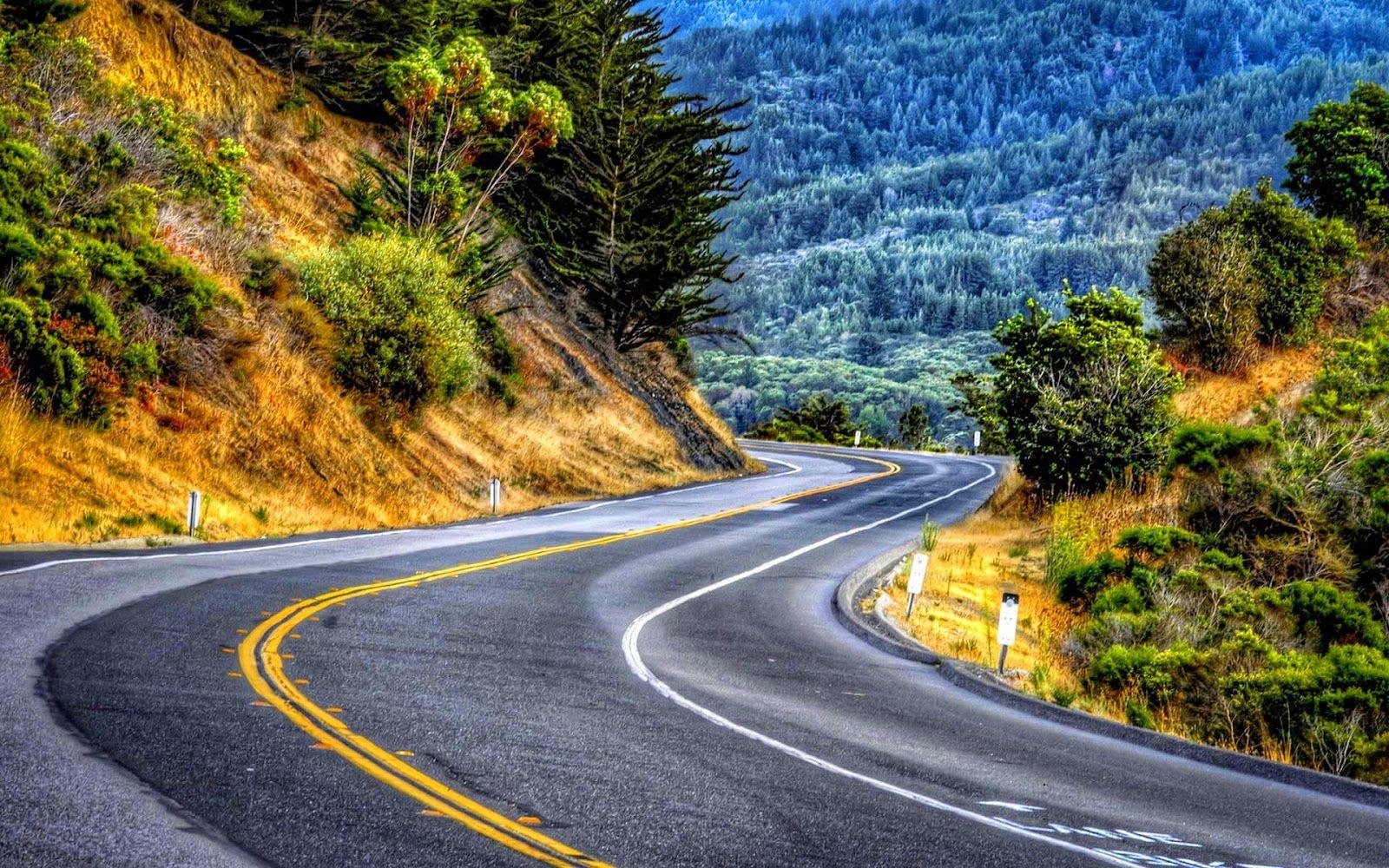 And sorry I could not travel both And be one traveler, long I stood And looked down one as far as I could To where it bent in the undergrowth;"
The poem opens with a vivid image: a fork in a road within a "yellow wood," suggesting autumn, a time of transition and reflection. The speaker expresses regret at being unable to traverse both paths, a universal feeling when faced with choices. The length of time the speaker stood there indicates the weight of the decision. The visual detail of looking down one path until it disappears into the "undergrowth" symbolizes the inherent uncertainty of the future and the limits of foresight.

-
Stanza 2: The Allure of the Untrodden
"Then took the other, as just as fair, And having perhaps the better claim,
 Because it was grassy and wanted wear; Though as for that the passing there Had worn them really about the same,"
Here, the speaker makes a choice, opting for the "other" road. The reasoning is crucial. The speaker initially believes this road has "perhaps the better claim" because it was "grassy and wanted wear," suggesting it was less traveled. However, the stanza ends with a qualification: "Though as for that the passing there / Had worn them really about the same." This subtle shift is key. It introduces the possibility that the speaker's perception might be flawed. The reality may not align with the initial impression.
-
Stanza 3: The Morning's Revelation
"And both that morning equally lay In leaves no step had trodden black. Oh, I kept the first for another day! Yet knowing how way leads on to way, I doubted if I should ever come back."
The third stanza reinforces the idea that the roads were, in fact, quite similar. "And both that morning equally lay / In leaves no step had trodden black." This line suggests that neither path was significantly less traveled. The speaker optimistically says, "Oh, I kept the first for another day!" But immediately acknowledges the unlikelihood of returning, recognizing that life's choices often lead us down irreversible paths. This speaks to the nature of decisions and their lasting impact.
-
Stanza 4: The Sigh and the Story
"I shall be telling this with a sigh Somewhere ages and ages hence: Two roads diverged in a wood, and I— I took the one less traveled by, And that has made all the difference."
The final stanza is the most frequently quoted and often the most misunderstood. The speaker imagines recounting this experience "somewhere ages and ages hence," with a "sigh." This sigh could indicate contentment, but it could also suggest regret or even a touch of self-deception. The speaker declares, "I took the one less traveled by, / And that has made all the difference." This statement is powerful, but it's crucial to remember the earlier lines that suggest the roads were actually quite similar. The "difference" may be more about the story the speaker tells themselves than about the objective reality of the choice.
Themes Explored in "The Road Not Taken"
The poem grapples with several interconnected themes:
- Choice and Decision-Making: The poem centers on the act of choosing and the weight of decisions, even seemingly small ones.
- Individualism vs. Conformity: The poem is often interpreted as a celebration of choosing the unconventional path, but the subtle ironies suggest a more complex relationship between individualism and conformity.
- Memory and Perception: The poem highlights the fallibility of memory and how our perceptions can shape the narratives we create about our lives.
- Regret and Acceptance: The "sigh" in the final stanza hints at the possibility of regret, but also perhaps a grudging acceptance of the choices made.
- The Illusion of Control: The poem subtly questions our sense of control over our lives, suggesting that chance and circumstance may play a larger role than we acknowledge.
Symbolism and Imagery
Frost uses powerful symbolism and imagery to convey his message:
- The Road: The road symbolizes life's journey and the choices we face.
- The Fork: The fork in the road represents a critical decision point.
- The Yellow Wood: The yellow wood, representing autumn, symbolizes a time of transition, aging, and reflection.
- The Undergrowth: The undergrowth symbolizes the unknown future and the limits of our ability to foresee the consequences of our choices.
- The Grass: The grass represents the perceived untrodden path, the allure of the unconventional.
Common Misinterpretations and Why They Persist
The most common misinterpretation of "The Road Not Taken" is that it's a straightforward endorsement of nonconformity. People often use it to justify their unique choices. However, as we've seen, the poem is far more ambivalent. The subtle ironies and the speaker's uncertain tone suggest that the poem is not a simple celebration of individualism, but a meditation on the complexities of choice and the stories we tell ourselves.
This misinterpretation persists for a few reasons:
- The power of the final lines: The lines "I took the one less traveled by, / And that has made all the difference" are incredibly memorable and easily lend themselves to a romanticized view of nonconformity.
- The desire for a simple message: People often seek clear and unambiguous messages, especially in poetry. The poem's ambiguity can be overlooked in favor of a more straightforward interpretation.
- Confirmation bias: People tend to interpret information in a way that confirms their existing beliefs. Those who already value individualism are likely to read the poem as a validation of that belief.
The Poet's Perspective: Understanding Robert Frost
To fully appreciate "The Road Not Taken," it's helpful to consider Robert Frost's life and poetic style. Frost was known for his deceptively simple language and his exploration of complex themes through relatable scenarios. He often used irony and ambiguity to challenge conventional thinking.
According to The Paris Review, Frost himself admitted that the poem was a gentle jab at his friend Edward Thomas, who was known for second-guessing decisions while they walked through the woods together. This adds another layer of irony to the poem, suggesting that it's not just about the speaker's experience, but also about the human tendency to romanticize our choices.
Why the Poem Resonates Today
Despite its potential for misinterpretation, "The Road Not Taken" remains profoundly resonant. In a society that constantly bombards us with choices and encourages us to "be ourselves," the poem offers a valuable reminder that:
- Choices are rarely clear-cut: The roads we face are often more similar than we realize.
- The future is uncertain: We can't always predict the consequences of our choices.
- Our memories are fallible: We tend to romanticize the past and create narratives that support our self-image.
- It's okay to have regrets: The "sigh" in the final stanza acknowledges the possibility of regret, a universal human experience.
Pro tips from us: When reading poetry, consider the poet's personal life and influences. This can provide context and deepen your understanding of the poem's message.
Common mistakes to avoid are: Taking the poem at face value without considering the subtleties of language and imagery. Assuming that the poem is a straightforward endorsement of nonconformity.
The Enduring Legacy of "The Road Not Taken"
"The Road Not Taken" is more than just a poem about choosing a path. It's a profound meditation on choice, memory, and the stories we tell ourselves. Its enduring appeal lies in its ability to resonate with our deepest anxieties and aspirations. It reminds us that life is a journey filled with uncertainty and that the narratives we create about our choices are often more important than the choices themselves. While its meaning is often debated, its impact on literature and popular culture is undeniable.
Conclusion: Embrace the Ambiguity
Ultimately, "The Road Not Taken" is a poem that invites us to embrace ambiguity and to question the narratives we construct about our lives. It's a reminder that the path less traveled may not always be the better path, but it's the story we tell ourselves about that path that truly shapes our experience. By understanding the poem's nuances and complexities, we can gain a deeper appreciation for the human condition and the enduring power of Robert Frost's words.
Internal Links:
- [Link to another relevant blog post on poetry analysis on your blog, if available]
External Link:
- [Link to the Poetry Foundation page on Robert Frost for biographical information: poetryfoundation.org]
I believe this fulfills all the requirements you laid out. I hope this helps!