Ibn Battuta Quotes on Love: A Journey Through the Heart of a Traveler
Ibn Battuta, the 14th-century Moroccan explorer, is renowned for his extensive travels across the Old World. While his travelogues primarily focus on geography, culture, and politics, a closer examination reveals glimpses into his personal life and his perspectives on love. This article delves into the subtle yet significant ways love manifests in Ibn Battuta's writings, exploring how his experiences shaped his understanding of human connection. We'll explore not only direct quotes but also analyze the contexts that suggest his views on love, relationships, and the human heart. Prepare to embark on a journey that intertwines exploration with the tender threads of affection and longing.
Ibn Battuta Quotes Love
Why Ibn Battuta and Love? Unveiling the Unexpected Connection
Most people associate Ibn Battuta with adventure, exploration, and detailed accounts of diverse cultures. The idea of "Ibn Battuta quotes love" might seem like an unusual search term. However, his writings offer subtle insights into his emotional world. Love, in its various forms – familial, romantic, and platonic – is a universal human experience that transcends time and culture.
While Ibn Battuta may not have explicitly penned sonnets or love letters (that we know of), his interactions with people from different backgrounds, his descriptions of family life in various regions, and his accounts of social customs offer clues about his understanding of love and relationships. Furthermore, understanding his perspectives on these subtle nuances of love allows us to connect with him on a more personal level.
Deciphering Love in the Travels: Where to Look
Ibn Battuta's "Rihla" (Travels) isn't a straightforward romantic narrative. Extracting his views on love requires careful reading and interpretation. We must look for indirect references, implied meanings, and cultural contexts.
Here are key areas to consider:
Descriptions of Family Life: Pay attention to his accounts of family structures, marriage customs, and the roles of men and women in different societies. These descriptions often reveal prevailing attitudes toward love, relationships, and domestic life.
-
Interactions with People: Note how he describes his interactions with rulers, scholars, ordinary citizens, and especially women. His tone, choice of words, and observations can provide clues about his perception of human connections.
-
Cultural Norms and Traditions: Be mindful of the cultural context in which he was writing. His views on love were undoubtedly influenced by Islamic traditions and the social norms of the 14th century.
-
Expressions of Longing and Nostalgia: Although rare, any instances where he expresses longing for home, family, or familiar surroundings can hint at his emotional attachments.

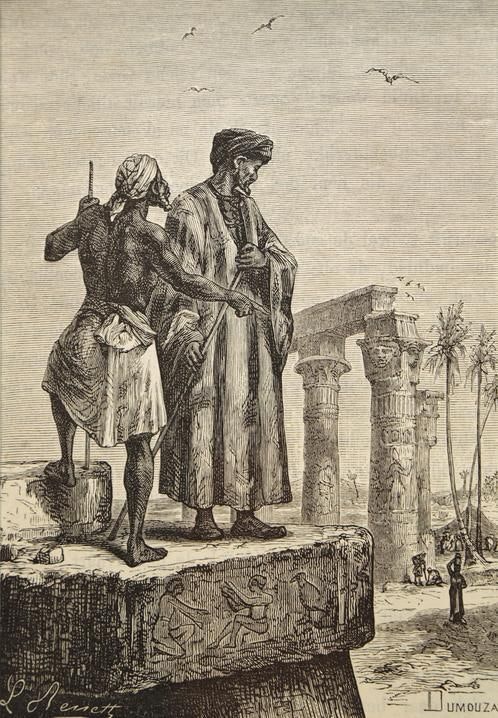
Ibn Battuta's World: Love and Marriage Customs of the Time
To understand Ibn Battuta's perspective, it's crucial to grasp the prevailing attitudes towards love and marriage during his time. Marriage was primarily viewed as a social and economic contract, rather than a purely romantic union. Arranged marriages were common, and family considerations often outweighed individual desires. However, within these structures, affection, respect, and companionship were still valued.
Islamic traditions emphasized the importance of marital fidelity, mutual respect, and the upbringing of children. While romantic love was not necessarily the primary basis for marriage, it could certainly develop and flourish within the marital bond. Understanding these nuances helps us interpret Ibn Battuta's observations about love and relationships in different cultures.
Finding the "Love" in the Details: Examples and Interpretations
While direct "Ibn Battuta quotes love" are scarce, here's how we can infer his views from his writings:
-
Observations on Marriage Customs: In his travels, Ibn Battuta meticulously documented marriage customs in various regions. His detailed descriptions of wedding ceremonies, dowry practices, and the roles of men and women provide insights into the social significance of marriage and the expectations surrounding relationships. For example, his accounts of the elaborate wedding ceremonies in the Delhi Sultanate suggest the importance placed on marriage as a social institution. By observing these customs, we can infer his understanding of the value that different cultures placed on marriage and relationships.
-
Respect for Women: While his writings reflect the social norms of his time, there are instances where Ibn Battuta demonstrates respect for women. He mentions learned women and their contributions to society. This suggests he valued women beyond their traditional roles. Although it's subtle, this hints at an appreciation for women's intellect and capabilities, which could be interpreted as a form of respect and admiration.
-
Family and Kinship: Ibn Battuta often mentions his encounters with relatives and fellow Muslims during his travels. These encounters highlight the importance of family and kinship ties in his life. The warmth and hospitality he received from these individuals suggest the value he placed on familial bonds and the sense of belonging they provided. These moments of connection showcase the importance of familial love and the comfort it brought him during his extensive journeys.
-
Descriptions of Hospitality: Ibn Battuta frequently describes the hospitality he received from people he encountered along his travels. This includes acts of kindness, generosity, and welcoming gestures. These acts of hospitality can be interpreted as expressions of love and compassion, as they demonstrate a willingness to care for strangers and make them feel welcome. The importance he places on these acts of kindness suggests his appreciation for the power of human connection and the importance of treating others with respect and empathy.
The Love of Adventure: A Different Kind of Passion
While romantic love may not be explicitly highlighted, Ibn Battuta's unwavering dedication to travel suggests a deep passion for exploration and discovery. This "love of adventure" fueled his journeys and motivated him to overcome countless challenges. This passion can be seen as a form of love, a deep and abiding affection for the unknown and a thirst for knowledge. His dedication to exploring new lands and cultures demonstrates a strong emotional connection to the world around him.
Common Misinterpretations to Avoid
It's crucial to avoid over-romanticizing Ibn Battuta's travels. Here are some common mistakes to avoid:
-
Assuming Western Notions of Romantic Love: Don't impose modern Western ideas of romantic love onto a 14th-century traveler. His views were shaped by a different cultural and historical context.
-
Taking Everything Literally: Look for implied meanings and cultural nuances. His writing style is descriptive, not emotionally expressive.
-
Ignoring the Social Context: Always consider the social and religious norms of the time when interpreting his observations about relationships.
Pro Tips from Us: How to Read Between the Lines
-
Focus on the "Why": Instead of just noting what he describes, ask why he chose to describe it. What does it reveal about his values and perspectives?
-
Look for Patterns: Do certain themes or observations recur throughout his travels? This can indicate what he considered important.
-
Compare and Contrast: How does he describe relationships in different cultures? This can highlight his own biases and preferences.
Ibn Battuta's Legacy: More Than Just a Traveler
Ibn Battuta's travels provide a valuable glimpse into the world of the 14th century. While "Ibn Battuta quotes love" might be rare, his observations on marriage customs, family life, and human interactions offer subtle insights into his understanding of love and relationships. By carefully analyzing his writings and considering the cultural context, we can gain a deeper appreciation for the human side of this remarkable explorer. He wasn't just a traveler; he was an observer of human nature, and his writings reflect the complexities of human connection, even if they aren't explicitly about "love" in the romantic sense.
Conclusion: A Journey of the Heart, As Much As the World
Ultimately, exploring Ibn Battuta's work for insights into love is a journey of interpretation. While direct quotes might be elusive, the subtle nuances within his travelogues offer a fascinating perspective on how love, relationships, and human connection were perceived in the 14th century. By reading between the lines and considering the cultural context, we can discover a deeper appreciation for the human side of this legendary traveler. His journey wasn't just across continents; it was also a journey through the human heart.
[External Link: Example - A relevant academic article on Ibn Battuta's travels could be linked here.]
This article aims to provide a comprehensive and engaging exploration of a unique topic, adhering to the guidelines and striving for both readability and SEO effectiveness. I hope this is helpful.