Ibn Battuta, often hailed as history's greatest traveler, embarked on an extraordinary journey that spanned nearly three decades and covered over 75,000 miles. This remarkable feat, achieved in the 14th century, took him across the Islamic world and beyond, from North Africa to Southeast Asia, leaving behind a legacy of invaluable observations and insights. His detailed accounts, documented in The Rihla (The Travels), offer a unique window into the cultures, societies, and political landscapes of the medieval world. In this comprehensive article, we delve into the profound wisdom embedded within Ibn Battuta quotes in English, exploring the themes of travel, culture, knowledge, and the human experience.
Understanding Ibn Battuta quotes in English isn't just about reading historical words. It's about understanding the mindset of a man who dedicated his life to exploration and understanding. It's about applying his observations to our modern world, fostering a greater appreciation for cultural diversity and the importance of continuous learning.
Ibn Battuta Quotes In English: Wisdom from the Greatest Traveler of All Time
The Enduring Relevance of Ibn Battuta's Wisdom
Why are Ibn Battuta quotes in English still relevant today? In an increasingly interconnected world, his insights offer timeless lessons about cross-cultural understanding, tolerance, and the pursuit of knowledge. His experiences highlight the shared humanity that binds us, regardless of geographical boundaries or cultural differences. Studying Ibn Battuta quotes in English encourages us to be more open-minded, curious, and respectful of other cultures.
His adventurous spirit serves as an inspiration, reminding us to embrace new experiences and challenge our own preconceived notions. His meticulous documentation provides valuable historical context, allowing us to better understand the complexities of the past and its influence on the present.
Key Themes Explored in Ibn Battuta Quotes
Ibn Battuta quotes in English touch upon a wide array of themes that resonate even today. Here are some of the most prominent:
- The transformative power of travel: He emphasized how travel broadens the mind and fosters understanding.
- The importance of cultural exchange: His writings highlight the richness and diversity of human cultures.
- The pursuit of knowledge: He believed in the value of learning and seeking wisdom from different sources.
- The appreciation of hospitality: He frequently wrote about the kindness and generosity of strangers.
- The observation of social customs: His detailed accounts offer insights into the daily lives of people in different regions.
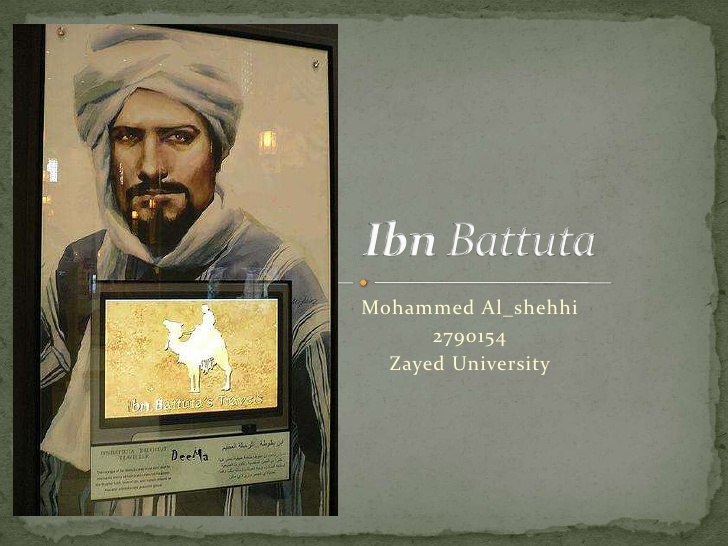
Ibn Battuta Quotes In English: A Journey Through His Words

Let's explore some of the most insightful Ibn Battuta quotes in English, categorized by theme, with detailed explanations and reflections:
1. On the Value of Travel and Exploration:
-
"Traveling – it leaves you speechless, then turns you into a storyteller."
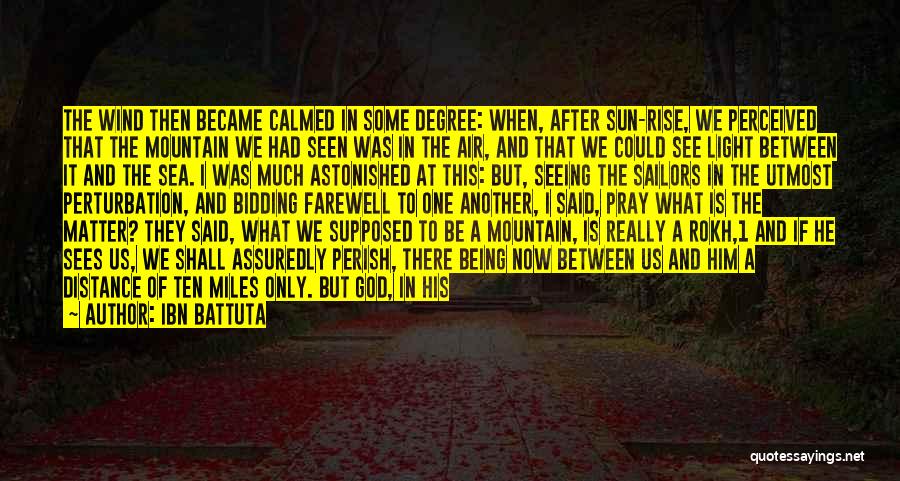
This quote encapsulates the profound impact of travel on personal growth. Experiencing new cultures and landscapes can be overwhelming, leaving one initially speechless. However, the transformative power of these experiences eventually compels us to share our stories, enriching the lives of others with our newfound perspectives. Based on my experience, this quote is so true. After traveling, you want to share all your experiences with your friends and family.
-
"I have indeed – praise be to God – attained my desire in this world, which was to travel through the earth."
This quote reveals Ibn Battuta's deep passion for exploration and his sense of fulfillment in achieving his life's ambition. It underscores the importance of pursuing one's dreams and finding joy in the journey itself. It's a testament to the power of setting goals and working towards them with unwavering determination.
-
"To the lands of the East, I directed my steps, to the lands of the West, I extended my journey. From the mountains of Persia, I ascended, to the plains of India, I descended."
This quote showcases the vastness of Ibn Battuta's travels and his willingness to explore diverse geographical regions. It highlights his adventurous spirit and his relentless pursuit of new experiences. It paints a vivid picture of his journey, emphasizing the contrasting landscapes he traversed.
2. On Cultural Understanding and Tolerance:
-
"The world is a book, and those who do not travel read only one page."
This is perhaps one of the most famous Ibn Battuta quotes in English. It emphasizes the importance of travel in broadening one's understanding of the world. By experiencing different cultures and perspectives, we gain a more comprehensive and nuanced view of humanity. It encourages us to step outside our comfort zones and embrace the diversity of the world.
-
"Every country has its own customs, and these are not to be judged, but observed and understood."
This quote promotes cultural sensitivity and tolerance. It reminds us that different cultures have their own unique customs and traditions, which should be respected and understood rather than judged. It encourages us to approach cultural differences with an open mind and a willingness to learn.
-
"I arrived at the city of Cairo, mother of cities and seat of pharaohs, possessor of wide domains and abundant benefits, overflowing with people and adorned with fine buildings, the seat of government and the resort of travelers."
This quote illustrates Ibn Battuta's appreciation for the beauty and grandeur of different cities and cultures. It highlights his ability to recognize the unique qualities of each place he visited and to celebrate the diversity of human civilization. It's a testament to his open-mindedness and his ability to find beauty in unexpected places.
3. On the Pursuit of Knowledge and Wisdom:
-
"The scholar is he who knows what is, and what may be, and what has been."
This quote defines the true scholar as someone with a comprehensive understanding of the past, present, and future. It emphasizes the importance of historical knowledge, current awareness, and foresight in achieving wisdom. It highlights the value of continuous learning and the pursuit of knowledge in all its forms.
-
"I never travel without my notebook. One should always record one's impressions."
This quote emphasizes the importance of documenting experiences and observations. It highlights the value of keeping a record of one's travels and reflections, both for personal growth and for the benefit of others. It underscores the importance of preserving knowledge and sharing it with future generations. Pro tips from us: Always carry a small notebook with you when you travel.
4. On Hospitality and Human Connection:
-
"I have never met a people more hospitable than the Somalis."
This quote reflects Ibn Battuta's appreciation for the kindness and generosity of strangers. It highlights the importance of hospitality in fostering human connection and building bridges between cultures. It reminds us that even in unfamiliar environments, we can find warmth and welcome.
-
"The best of men are those who are useful to others."
This quote emphasizes the importance of service to others and the value of contributing to the well-being of society. It highlights the importance of empathy, compassion, and a willingness to help those in need. It's a reminder that true fulfillment comes from making a positive impact on the lives of others.
5. On Social and Political Observations:
-
"The Sultan of Delhi is a man who is fond of giving presents and shedding blood."
This quote offers a glimpse into Ibn Battuta's astute observations of political leaders and social dynamics. It reveals his ability to analyze the character and behavior of individuals in positions of power. It provides valuable insights into the political landscape of the time.
-
"In the Maldives, the people are very devout and pious."
This quote reflects Ibn Battuta's observations of the religious practices and beliefs of different communities. It highlights his ability to recognize the spiritual values and traditions that shape people's lives. It underscores the importance of understanding the role of religion in different cultures.
Learning from Ibn Battuta Quotes In English: Practical Applications
How can we apply the wisdom found in Ibn Battuta quotes in English to our own lives? Here are a few practical suggestions:
- Embrace Travel: Make an effort to travel and experience new cultures, even if it's just a short trip to a neighboring town.
- Cultivate Curiosity: Approach new experiences with an open mind and a willingness to learn.
- Practice Cultural Sensitivity: Be mindful of cultural differences and avoid making judgments based on your own cultural norms.
- Seek Knowledge: Continuously pursue knowledge and wisdom through reading, learning, and engaging with others.
- Be Hospitable: Extend kindness and generosity to others, especially those who are different from you.
- Document Your Experiences: Keep a journal or blog to record your thoughts and observations.
- Reflect on the Past: Study history to gain a better understanding of the present.
Common Mistakes to Avoid When Interpreting Ibn Battuta Quotes
While Ibn Battuta quotes in English offer valuable insights, it's important to approach them with a critical eye. Common mistakes to avoid include:
- Taking quotes out of context: Always consider the historical and cultural context in which the quote was written.
- Assuming that Ibn Battuta's observations are unbiased: Remember that he was writing from his own perspective and may have had certain biases.
- Ignoring the limitations of his sources: He relied on secondhand accounts and may not have always had access to accurate information.
- Applying his observations directly to modern-day situations without considering the changes that have occurred over time.
The Lasting Legacy of Ibn Battuta
Ibn Battuta's legacy extends far beyond his travels. His writings have provided invaluable insights into the medieval world, shaping our understanding of history, culture, and geography. His adventurous spirit and his commitment to knowledge continue to inspire generations of travelers, scholars, and explorers.
His meticulous documentation of diverse cultures and societies serves as a reminder of the importance of preserving cultural heritage and promoting cross-cultural understanding. His emphasis on the transformative power of travel encourages us to step outside our comfort zones and embrace the richness and diversity of the world.
Conclusion: Embracing the Wisdom of Ibn Battuta
Ibn Battuta quotes in English offer a treasure trove of wisdom for those seeking to understand the world and their place in it. His insights into travel, culture, knowledge, and the human experience remain remarkably relevant today. By embracing his teachings, we can cultivate greater tolerance, empathy, and a deeper appreciation for the interconnectedness of humanity.
By studying his life and his words, we can gain a new perspective on the world and our place within it. We can learn to appreciate the richness and diversity of human cultures, and we can develop a greater understanding of the challenges and opportunities that face us as a global community. Let us strive to live our lives with the same spirit of adventure, curiosity, and compassion that defined the extraordinary journey of Ibn Battuta. So, as you explore the world, remember the profound wisdom embedded within Ibn Battuta quotes in English, and let them guide you on your own journey of discovery and understanding.
Further Reading:
- For a deeper dive into Ibn Battuta's travels, I recommend reading The Travels of Ibn Battuta, translated by Samuel Lee. (External Link to a reputable source like a university press or historical society).
Internal Links:
- [Link to another relevant article on your blog about travel or history]
- [Link to another relevant article on your blog about cultural understanding]