Navigating the World Through Wisdom: Unveiling the Profound Quotes of Ibn Battuta
Introduction:
Quotes Of Ibn Battuta
Ibn Battuta, the 14th-century Moroccan scholar and explorer, stands as a giant in the annals of travel history. He traversed vast distances, covering nearly the entirety of the known Islamic world and beyond. His journeys, spanning over three decades, offer a unique window into diverse cultures, societies, and landscapes. While his travelogue, the Rihla, is a treasure trove of historical information, it's the underlying wisdom gleaned from his experiences that truly resonates. This article delves into the profound quotes of Ibn Battuta, exploring their meaning and relevance in our modern world. We'll unpack the lessons embedded within his words, offering insights into travel, culture, human nature, and the pursuit of knowledge.
Who Was Ibn Battuta? A Brief Overview
Born in Tangier, Morocco, in 1304, Abu Abdullah Muhammad Ibn Battuta embarked on his epic journey at the young age of 21, initially intending to perform the Hajj pilgrimage to Mecca. However, his travels extended far beyond, taking him through North Africa, the Middle East, Central Asia, India, Southeast Asia, and even parts of China. Unlike many explorers who sought wealth or conquest, Ibn Battuta traveled primarily out of a thirst for knowledge and a deep curiosity about the world. He documented his observations meticulously, providing invaluable insights into the political, social, and economic conditions of the 14th century. His Rihla ("The Travels") remains a primary source for understanding this period.
Why Ibn Battuta's Quotes Matter Today
In an increasingly interconnected world, Ibn Battuta's observations on cultural exchange, the importance of understanding different perspectives, and the human condition remain remarkably relevant. His quotes offer a timeless perspective on travel, reminding us that the true value lies not just in seeing new places but in learning from them. Moreover, his emphasis on the pursuit of knowledge and the importance of experiencing the world firsthand continues to inspire travelers and scholars alike. By examining his quotes, we can gain a deeper appreciation for the interconnectedness of humanity and the enduring power of travel to broaden our horizons.
Key Themes in Ibn Battuta's Quotes
Before diving into specific quotes, it's helpful to identify the recurring themes that permeate his observations:
- Cultural Observation: Ibn Battuta possessed a keen eye for cultural differences and similarities. He often commented on the customs, traditions, and social structures of the places he visited, offering valuable insights into the diversity of human experience.
- The Importance of Travel: He saw travel as a means of expanding one's knowledge, understanding different cultures, and gaining a deeper appreciation for the world.
- Humanity and Hospitality: Throughout his journeys, Ibn Battuta frequently encountered acts of kindness and generosity from strangers. He recognized the inherent goodness in people, regardless of their background or beliefs.
- The Pursuit of Knowledge: Ibn Battuta was driven by a desire to learn and understand the world. He sought out scholars, religious leaders, and other knowledgeable individuals, constantly seeking to expand his understanding.
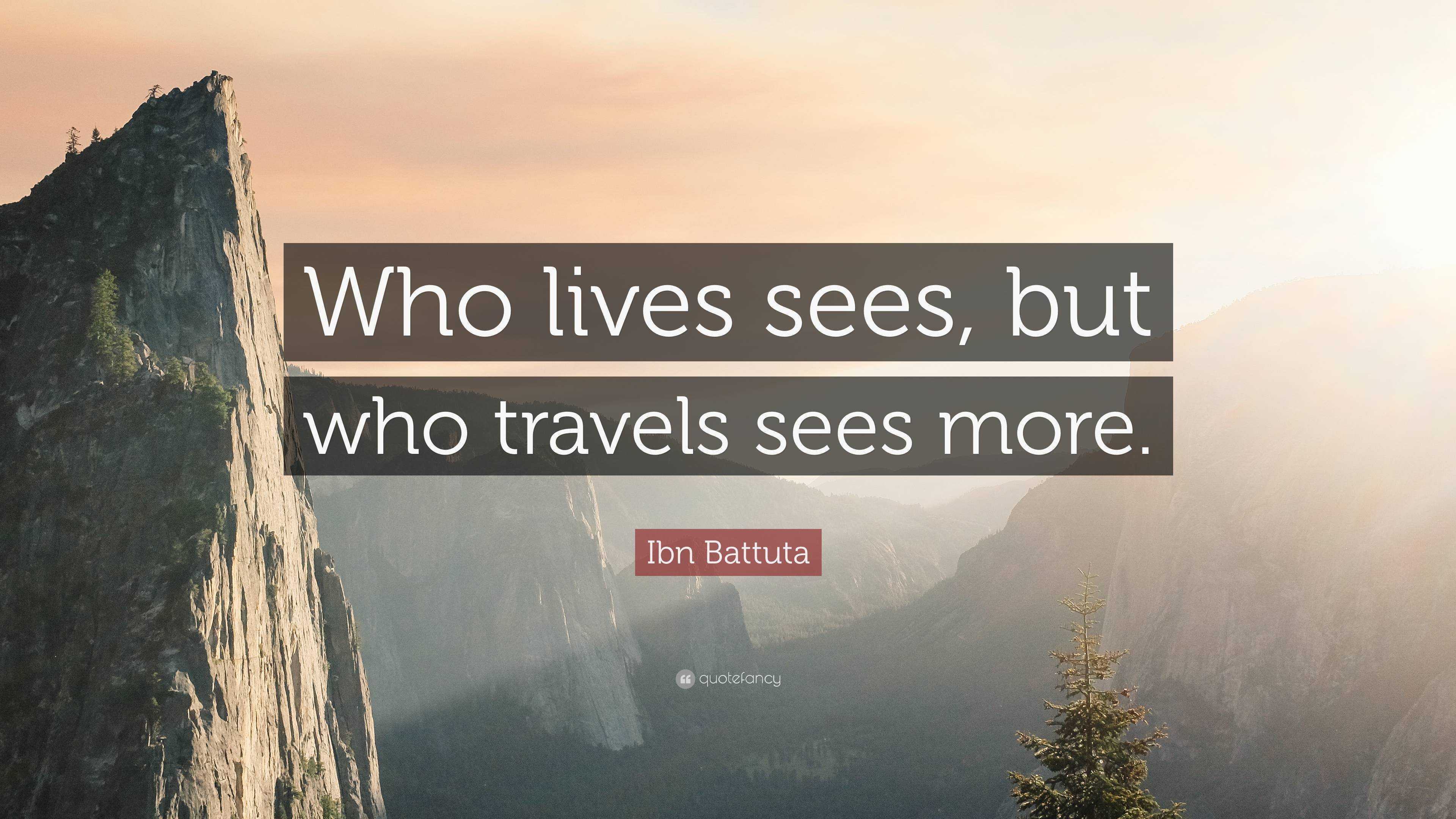

Ibn Battuta's Most Insightful Quotes and Their Meanings
While pinpointing exact, verbatim quotes from Ibn Battuta can be challenging due to translations and interpretations of the Rihla, the following encapsulates the spirit and wisdom found within his writings:
-
"Traveling – it leaves you speechless, then turns you into a storyteller."

- This quote beautifully captures the transformative power of travel. The initial awe and wonder of experiencing new places can leave one speechless. However, as travelers process their experiences, they develop a unique perspective and a desire to share their stories with others. This quote highlights the importance of not just seeing the world but also reflecting on what we've seen and sharing our insights with others.
- Based on my experience, this rings true. Travel has a way of stripping away your preconceived notions and forcing you to confront the unfamiliar. It's in those moments of discomfort and wonder that the most profound learning occurs.
-
"I have indeed – praise be to God – attained my desire in this world, which was to travel through the earth."
- This quote reveals Ibn Battuta's deep sense of fulfillment and gratitude for the opportunity to explore the world. It speaks to the power of pursuing one's passions and the joy that comes from achieving one's goals. This serves as a reminder to identify our own desires and to actively pursue them with dedication and enthusiasm.
- Pro tips from us: Identify what truly excites you and make a conscious effort to incorporate it into your life, even if it's in small ways.
-
(Referring to the Maldives) "It is one of the marvels of the world... large quantities of cowries are exported from there, serving as currency in India and Yemen."
- While seemingly a simple observation, this quote highlights Ibn Battuta's attention to detail and his ability to connect seemingly disparate aspects of different cultures. It shows how goods and customs traveled alongside people, creating a complex web of interconnectedness.
- Common mistakes to avoid are: Overlooking the details and focusing only on the grand narratives. Pay attention to the small things, as they often reveal deeper truths.
-
(Describing a Sufi Saint) "He was a man of great piety and asceticism, and he had a large following among the people."
- This quote reflects Ibn Battuta's respect for religious figures and his appreciation for the role of faith in society. It demonstrates his willingness to acknowledge and respect different religious traditions. He acknowledged the impact of spiritual leaders on their communities.
-
(On Justice) "The judge must be impartial, and he must not be influenced by the powerful."
- This quote reflects Ibn Battuta's understanding of the importance of justice and fairness in society. It shows his awareness of the potential for abuse of power and his belief that all individuals, regardless of their status, should be treated equally under the law.
- Pro tips from us: Support organizations that promote fairness and equality. Even small actions can contribute to a more just world.
-
(On Hospitality) "Their custom is to treat strangers with the utmost kindness and generosity."
- This recurring theme in Ibn Battuta's writings highlights the importance of hospitality in many cultures. It shows his appreciation for the human capacity for kindness and generosity, even towards those they do not know. This reminds us to be welcoming and compassionate towards others, regardless of their background or origin.
-
(On the Value of Experience) "I have seen many lands and met many people."
- This simple statement encapsulates the essence of Ibn Battuta's journey and the value of firsthand experience. It underscores the idea that knowledge gained through direct observation and interaction with the world is invaluable. It suggests that true understanding comes from immersing oneself in different cultures and perspectives.
The Enduring Legacy of Ibn Battuta
Ibn Battuta's travels and writings continue to inspire and inform us today. His Rihla provides a rich tapestry of historical, cultural, and social insights into the 14th century world. More importantly, his quotes offer timeless wisdom on travel, cultural understanding, and the human condition. By studying his life and work, we can gain a deeper appreciation for the interconnectedness of humanity and the importance of pursuing knowledge and understanding. His legacy serves as a reminder that travel is not just about seeing new places but about expanding our minds and hearts.
How to Apply Ibn Battuta's Wisdom to Your Own Life
- Embrace Curiosity: Cultivate a sense of curiosity about the world and a desire to learn from different cultures.
- Travel with an Open Mind: When you travel, be open to new experiences and perspectives. Avoid preconceived notions and be willing to challenge your own assumptions.
- Seek Out Local Knowledge: Engage with local people and learn about their customs, traditions, and way of life.
- Reflect on Your Experiences: Take time to reflect on your travel experiences and consider how they have changed you.
- Share Your Stories: Share your travel stories with others and inspire them to explore the world.
- Practice Empathy: Strive to understand the perspectives of others, even if you don't agree with them.
Conclusion
Ibn Battuta's journey was one of extraordinary scope and profound insight. His quotes, though not always directly attributed in a precise, verbatim manner, encapsulate the wisdom he gained from his extensive travels. By embracing the spirit of Ibn Battuta's journey – his curiosity, his openness, and his commitment to understanding – we can enrich our own lives and contribute to a more interconnected and understanding world. His legacy reminds us that the true value of travel lies not just in seeing new places, but in learning from them and sharing our knowledge with others. So, let us embrace the wisdom of Ibn Battuta and embark on our own journeys of discovery, both inward and outward.
External Link: The Met Museum - Islamic Art
[Internal Link: To another relevant article on your blog - (Replace with an actual link if available)]
[Internal Link: To another relevant article on your blog - (Replace with an actual link if available)]