Passport Design: More Than Just a Travel Document
The passport. It's your key to the world, a symbol of your nationality, and a gateway to new experiences. But have you ever stopped to truly appreciate the intricate design and the thoughtful details that go into creating this essential document? It's a complex blend of artistry, security, and national identity.
Quotes About Passport Design
This article aims to explore the fascinating realm of passport design through the lens of insightful quotes and expert analysis. We'll delve into the core elements, the subtle nuances, and the powerful statements that a passport can make. Get ready to discover the hidden stories and the deliberate choices that shape this vital piece of identification.
Why Passport Design Matters
Beyond its practical function, passport design holds significant cultural and symbolic weight. It reflects a nation's history, values, and aspirations. From the choice of colors and emblems to the incorporation of advanced security features, every detail is carefully considered to create a document that is both aesthetically pleasing and highly secure.
Think about it: your passport is often the first impression you make on foreign officials. It represents your country and its people. A well-designed passport projects an image of competence, security, and national pride.
Quotes That Illuminate the Art and Science of Passport Design
Let's begin our journey with some thought-provoking quotes that capture the essence of passport design.
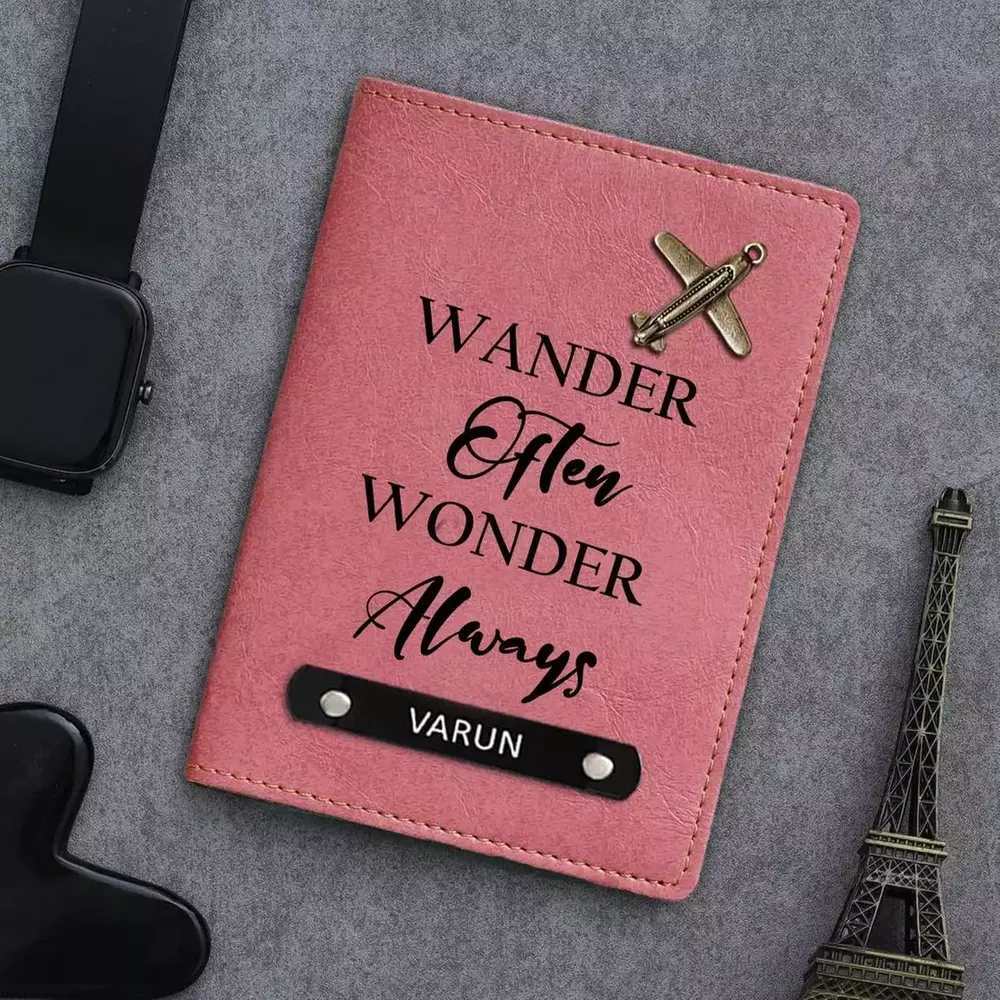
"A passport is a declaration that such person is a citizen of a particular country, and it is prima facie evidence of the fact." - Black's Law Dictionary
This quote highlights the fundamental purpose of a passport: to establish citizenship. It's a legal document that serves as proof of identity and nationality. The design must therefore reflect this authority and legitimacy.
-
"Design is not just what it looks like and feels like. Design is how it works." - Steve Jobs

This quote, while not specifically about passports, is incredibly relevant. Passport design isn't just about aesthetics; it's about functionality. A well-designed passport is easy to use, secure, and resistant to fraud.
-
"The details are not the details. They make the design." - Charles Eames
This speaks to the importance of the subtle elements in passport design. From the intricate patterns to the carefully chosen fonts, every detail contributes to the overall security and aesthetic appeal.

-
"Good design is obvious. Great design is transparent." - Joe Sparano
A truly exceptional passport design seamlessly blends security features with aesthetic appeal. It should be intuitive and easy to use, without drawing undue attention to its complexity.
Key Elements of Passport Design
Now, let's break down the key elements that contribute to effective passport design.
-
Security Features:
- Holograms: These three-dimensional images are difficult to replicate and add a layer of visual security.
- Watermarks: Visible when held up to the light, watermarks are embedded in the paper itself, making them incredibly difficult to counterfeit.
- Microprinting: Tiny text that is difficult to read without magnification, making it hard to reproduce accurately.
- Biometric Data: Many modern passports include a chip containing the holder's biometric data, such as fingerprints or facial recognition information.
- UV Inks: Invisible under normal light, these inks reveal hidden images or text when exposed to ultraviolet light.
The integration of these features is paramount in preventing fraud and ensuring the integrity of the document. Common mistakes to avoid are using outdated security technologies or failing to regularly update security protocols to stay ahead of counterfeiters. Based on my experience, countries that invest heavily in security research and development tend to have the most secure passports.
-
National Identity and Symbolism:
- National Emblems: Coats of arms, flags, and other national symbols are prominently displayed to reinforce national identity.
- Historical Imagery: Passports often feature images of historical landmarks, figures, or events that are significant to the nation's history.
- Cultural Motifs: Incorporating traditional patterns, artwork, or designs can add a unique cultural touch and showcase the country's heritage.
- Color Palette: The colors used in the passport design can also be symbolic, representing national colors or evoking specific emotions.
These elements serve to connect the passport holder to their country and reinforce a sense of national pride. Pro tips from us: Research the symbolism of different colors and emblems to ensure they accurately represent the nation's values and aspirations.
-
Usability and Functionality:
- Clear and Concise Information: The passport should clearly display the holder's personal information, such as name, date of birth, and place of birth.
- Easy-to-Read Fonts: Using legible fonts is crucial for quick and accurate identification.
- Durable Materials: Passports should be made from durable materials that can withstand frequent handling and travel.
- Logical Layout: The information should be organized in a logical and intuitive manner, making it easy for border officials to find what they need.
A user-friendly passport design can streamline the border crossing process and reduce delays.
-
Aesthetic Appeal:
While security and functionality are paramount, the aesthetic appeal of a passport should not be overlooked. A well-designed passport can be a source of national pride and reflect the country's artistic sensibilities. This is achieved through:
- Elegant Typography: The choice of fonts can significantly impact the overall aesthetic.
- Intricate Patterns: Delicate patterns and designs can add a touch of sophistication and visual interest.
- High-Quality Printing: Sharp, vibrant printing enhances the overall look and feel of the passport.
Striking a balance between security and aesthetics is key to creating a passport that is both functional and visually appealing.
Examples of Innovative Passport Designs
Several countries have gained recognition for their innovative and visually stunning passport designs. Let's take a look at a few examples:
- Norway: The Norwegian passport features stunning illustrations of the country's landscapes, which are revealed under UV light. This clever design combines security with artistic flair.
- Finland: The Finnish passport includes a flipbook animation of a moose walking across the pages. This playful detail adds a touch of whimsy and makes the passport more memorable.
- Canada: The Canadian passport features intricate illustrations of Canadian history and culture, which are also revealed under UV light. The use of hidden imagery adds an extra layer of security and intrigue.
These examples demonstrate how passport design can be both functional and artistic, reflecting a country's unique identity and values.
The Future of Passport Design
As technology continues to evolve, so too will passport design. We can expect to see even more sophisticated security features, such as:
- Advanced Biometrics: Iris scanning and facial recognition technology will likely become more prevalent.
- Digital Passports: The development of digital passports stored on smartphones or other devices could streamline the travel process and enhance security.
- Blockchain Technology: Blockchain could be used to create tamper-proof digital identities and secure passport data.
These advancements will undoubtedly transform the way we think about passports and travel documents. The challenge will be to balance innovation with security and privacy concerns.
The Importance of Continuous Improvement
Passport design is not a static field. It requires continuous improvement and adaptation to stay ahead of counterfeiters and meet the evolving needs of travelers. Countries must invest in research and development, collaborate with security experts, and regularly update their passport designs to maintain their integrity.
Conclusion: Passport Design as a Reflection of National Identity
In conclusion, passport design is a complex and multifaceted field that encompasses security, functionality, and national identity. It's a delicate balance of artistry and engineering, with every detail carefully considered to create a document that is both secure and visually appealing.
The quotes we've explored highlight the importance of design in shaping our perception of the world and reflecting our national values. A well-designed passport is more than just a travel document; it's a symbol of our identity, our history, and our aspirations. As technology continues to evolve, passport design will undoubtedly continue to innovate, ensuring that this vital document remains secure and reflects the ever-changing world we live in.
By understanding the key elements of passport design and appreciating the artistry and innovation that goes into creating these documents, we can gain a deeper appreciation for the role they play in our lives and in shaping our global identity.
Further Reading and Resources
For those interested in learning more about passport design, I recommend exploring the following resources:
- The International Civil Aviation Organization (ICAO): This organization sets international standards for passport design and security.
- [External Link to a relevant article on passport security features]
- Search for articles and documentaries on the history and evolution of passport design.
This in-depth exploration of passport design hopefully provides valuable insights into the art, science, and significance of this essential travel document. Remember, your passport is more than just a book; it's a reflection of who you are and where you come from. Happy travels!
Internal Linking Opportunities:
Consider linking this article to other relevant content on your blog, such as:
- An article on travel security tips.
- A piece discussing the history of travel documents.
By interlinking your content, you can improve your website's SEO and provide readers with a more comprehensive understanding of travel-related topics.